
Bringing fairness to the forefront
Watertrust’s work in South Australia’s Mount Lofty Ranges continues to reveal just how challenging water planning can be when a landscape carries many different expectations.
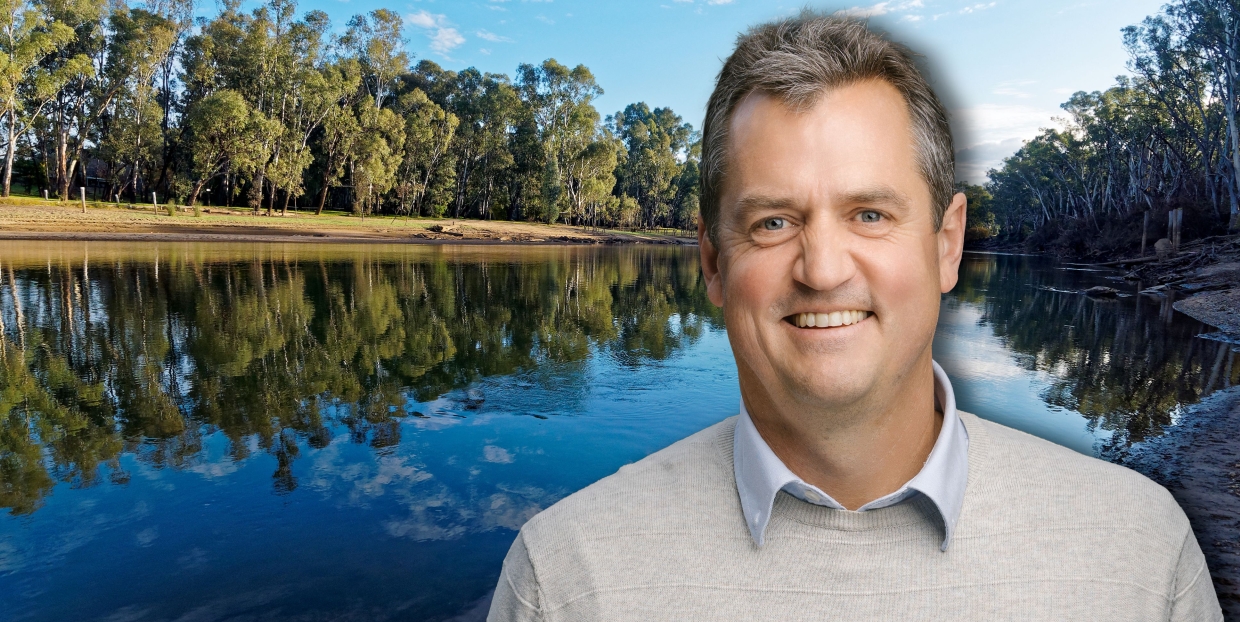
For Principal Kane Aldridge, this complexity is exactly why Watertrust’s involvement matters. The region has lived with long-running concerns about decisions related to how water is shared and the coming amendments to the region’s Water Allocation Plans is a chance to approach things with an approach that considers different perspectives.
Watertrust has been supporting government teams as they prepare to craft the next water allocation plan for the region. Despite the best of intentions, the previous planning process left many people unsure about why certain decisions were taken, particularly related to the number and management of farm dams.
Kane is quick to add that policymakers now face an even more difficult challenge of how to allocate limited water resources to the many important societal values it supports. Much has changed since the current plan was created, with greater demands on a diminishing resource courtesy of climate change. However, he points out that previous processes had not given people the information or support they needed to understand each other or feel confident in the outcome.
Watertrust is bringing new approaches and insights to the table. Kane’s role has focused on helping shape a way of working that acknowledges what has happened in the past while supporting a more constructive path forward.
Over the past two years Watertrust has invested significant effort in understanding how the fundamental principle of fairness influences water decision making. This research explored how people interpret fairness, how it shapes trust and how early and ongoing conversations about fairness can prevent conflict from building.
This has become a key point of difference in Watertrust’s approach. The Mount Lofty Ranges is one of the first regions where this work is being applied to a contentious water policy issue, and there’s genuine interest and enthusiasm from government agencies and others for a more considered and innovative approach.
A positive early sign has been the openness shown by the region’s Hills and Fleurieu Landscape Board and the Department of Water. Their willingness to reflect on previous experiences and engage in fairness and decision-making workshops has created the foundations of a strongly constructive process.
Kane brings a steady and thoughtful presence to the work. His experience across water policy and planning has shown that difficult decisions rarely settle well if people feel unheard. For him, a focus on fairness offers a way to structure conversations so that people can talk about what matters to them before their positions harden and misunderstandings take hold.
Looking ahead, the next phase of the work will move into selected catchments where Watertrust will independently convene deliberative forums. These forums are expected to provide valuable insights into how people understand pressures on the system and what they need in order to feel heard, and importantly, how a focus on fairness can shape better water allocation decisions in practice.
While this approach is being tested in the Mount Lofty Ranges, it clearly has relevance well beyond this region.
Many water resource sharing plans across Australia face similar pressures as conditions change and demand grows. A clearer and more explicit focus on fairness might make the difference by identifying points of tension earlier and building the trust needed to navigate difficult choices.
For Kane, contributing to Watertrust’s work in the Mount Lofty Ranges aligns with values that have guided his career. Like other Watertrust team members, he is motivated by careful listening, respect for diverse perspectives and a belief that complex decisions can be navigated more constructively when people feel part of the process.
This, when combined with Watertrust’s investment in fairness and the willingness of local agencies to engage enthusiastically, brings a real sense of possibility to the work ahead.
Want to know more? Call Kane: 0458 976 999
Read our newsletter here or join our mailing list now to stay up to date with the latest news from Watertrust Australia.